Packaging Molding: Electric vs Servo-Hydraulic Toggle
Packaging Injection Molding: High-Speed Electric vs Servo-Hydraulic Toggle
Quick answer: For dedicated packaging work where caps, closures, thin-wall containers and high-volume automated cells set the pace, the Zhafir Zeres Series ZE-F is the more focused platform to evaluate. For packaging that runs alongside general-purpose parts, needs a broad 600–33,000 kN clamping-force range, or relies on hydraulic mold functions, the Haitian Mars Series MA5 servo-hydraulic toggle is the broader fit. The decision is not electric always wins or hydraulic always costs less; it is a fit question built on cycle and output targets, material and tonnage, and automation scope.
What packaging buyers are really comparing
Packaging injection molding is a cycle-driven business. Caps, closures, thin-wall containers and food packaging are usually judged on output per hour, part-weight consistency, scrap rate and energy per 1,000 parts. A machine that looks strong on a specification sheet can still lose the project if its dry-cycle time, plasticizing rate or mold movement does not match the packaging cell around it.
The high-speed electric versus servo-hydraulic toggle question is therefore an architecture decision. ZE-F is the Zeres electric-plus-integrated-hydraulics concept applied to fast packaging. The main movements are electric, while integrated hydraulics remain available for specific mold functions. MA5 is a servo-hydraulic toggle platform positioned for broad-use molding, including packaging among other industries. One is a focused packaging platform; the other is a wide-range platform that can also serve packaging.
That difference matters at the buyer stage. A dedicated packaging processor should compare ZE-F against the packaging mold, cavity count and automation plan. A plant that molds packaging alongside home appliance parts, technical components or logistics products should test whether MA5’s broad clamping-force range and hydraulic mold capability reduce platform count. Neither route is automatically superior without a same-mold comparison.
Why the packaging segment splits the decision
Packaging projects often start with a narrow part family and a high-volume target. Caps and closures, thin-wall tubs, lids and food containers put pressure on injection dynamics, plasticizing throughput and sustained cycle stability. In those projects, the machine is part of a cell that includes robots, conveyors, vision inspection and packaging handling. The machine must hand off parts reliably, not just close and open quickly.
General-purpose plants face a different problem. Packaging may be one product line among several, and the mold list may include parts that need hydraulic core pulls, valve gates or other mold actions. A broad servo-hydraulic toggle can cover more of that mix. The buyer then weighs packaging output against flexibility, tonnage coverage and the cost of standardizing on one platform.
The practical split is not material alone. PP, PE and HDPE appear in both dedicated packaging and general-purpose molding. The deciding evidence is the mold, required clamp force, shot weight, cycle target, cavity count, mold functions, automation scope and energy measurement under the same conditions.
Platform definitions: Zeres ZE-F and Mars MA5
Zhafir Zeres Series ZE-F: high-speed electric with integrated hydraulic flexibility
ZE-F applies the Zeres concept to fast packaging: electric main movements combined with integrated servo-hydraulic functions for molds that require hydraulic actions. It is differentiated from conventional high-speed hydraulic machines by its electric main movements and from purely all-electric packaging machines by integrated hydraulic flexibility. That makes it relevant when a packaging mold needs hydraulic core pulls or similar functions while the cell still prioritizes electric precision and efficiency.
The platform is positioned for PP/PE/HDPE caps, closures, thin-wall packaging, food packaging, high-volume consumer packaging and automated cells requiring fast electric movements together with hydraulic mold functions. For a buyer, the useful comparison metrics are injection speed and acceleration, plasticizing rate, cycle time, mold movement, cavity count, part-weight consistency and sustained output under the same packaging mold.
Energy should be compared as kWh per 1,000 parts, not only as a class label. ZE-F’s electric main movements and servo-controlled auxiliary hydraulics support high energy efficiency. Standard configurations are positioned toward the upper EUROMAP 60.1 efficiency classes, commonly class 8 or above and often 9–10 depending on configuration. The buyer should still verify the full cell load, including robots, conveyors, chillers and auxiliary equipment.
Haitian Mars Series MA5: servo-hydraulic toggle for broad coverage
MA5 is a broad-use servo-hydraulic toggle platform. It combines servo-hydraulic drive with Generation 5 electrical plasticizing on applicable configurations, smart functions and open automation/MES integration. It covers packaging among other industries and offers a 600–33,000 kN clamping force range. That range is relevant when the mold list spans small packaging parts and larger technical components, or when future packaging projects may require higher clamp force.
MA5 is positioned for general-purpose molding, automotive, household appliances, consumer goods, logistics and technical parts, and for processors requiring hydraulic mold functions, broad machine-size coverage and flexible automation. In a packaging comparison, do not treat the broad range as proof of faster packaging output. Compare the exact machine size using the same mold, material, injection unit, cycle target and auxiliaries. Relevant KPIs include usable mold space, shot volume, injection speed, dry-cycle time, repeatability, footprint and measured output.
Energy efficiency is also part of the MA5 positioning. Servo-drive technology and electrical plasticizing reduce avoidable hydraulic losses, and many standard configurations are positioned in high EUROMAP 60.1 efficiency classes, typically class 8 or above and often 9–10 depending on machine size and configuration. As with ZE-F, the packaging comparison should use measured kWh per 1,000 parts from the actual cell.
Decision criteria: cycle/output, material and tonnage, automation fit
Three criteria decide most packaging projects. Use them as a sequence rather than a scorecard, because a weak result in one area can override a strong result in another.
1. Cycle and output orientation
If the business case is built on caps, closures, thin-wall containers and high-volume cells, set output per hour and kWh per 1,000 parts as primary KPIs. ZE-F is positioned for that fast-cycle packaging mission. Compare injection dynamics, plasticizing throughput, dry-cycle time, maximum sustainable cycle rate, cavity count and part-weight repeatability under the same mold. Do not accept a single dry-cycle number without the mold and part weight; packaging output is a system result.
MA5 can serve packaging, but its broader positioning means the buyer should specify the packaging mold, cycle target and automation scope rather than assume a dedicated high-speed package. If the packaging line is the main profit center, the focused ZE-F comparison is cleaner. If packaging shares the plant with other parts, MA5’s broad coverage may be the more practical platform decision.
2. Material and part scope
ZE-F is positioned for PP/PE/HDPE caps, closures, thin-wall packaging and high-volume consumer packaging. MA5 covers packaging among general applications and a 600–33,000 kN range. If your plant molds only packaging and the part family is stable, the focused ZE-F route gives a cleaner comparison. If packaging is one product line among home appliance, automotive, consumer goods, logistics or technical parts, MA5’s broad range and hydraulic capability may reduce the number of platforms you need to standardize.
Material choice alone does not decide. PP/PE/HDPE can run on either architecture; the mold functions, cycle and tonnage determine the fit. A thin-wall container with a demanding hydraulic core pull may need integrated hydraulic capability even in a high-speed electric cell. A general-purpose plant with a mixed mold list may value a servo-hydraulic toggle more than a dedicated packaging package.
3. Tonnage range and mold functions
MA5’s 600–33,000 kN range is a real advantage when packaging projects sit beside larger technical parts or when future molds may require higher clamp force. ZE-F should be matched to the packaging mold and tonnage you actually need; do not buy a broad range you will not use. Hydraulic core pulls, valve gates and other mold actions are a key differentiator: ZE-F keeps integrated hydraulics for specific mold functions while using electric main movements; MA5 is a servo-hydraulic toggle and is suited to processors requiring hydraulic mold functions.
Ask for a mold-function list before the architecture is fixed. Include core pulls, ejector requirements, valve-gate control, slide movements and any auxiliary hydraulic circuits. Then confirm whether the selected machine provides those functions natively, through integrated hydraulics or through optional equipment. This step prevents a late change from turning a focused packaging machine into a compromised cell.
4. Automation and digital integration
ZE-F is positioned for high-volume automated cells requiring fast electric movements together with hydraulic mold functions. MA5 offers open automation/MES integration and flexible automation. For both, compare robot interface, conveyor and packaging handling, vision inspection, MES connectivity, alarm history and data export. A machine that runs a fast cycle but cannot hand off parts reliably to the automation cell will not deliver the packaging output case.
Request a cell-level layout and acceptance test. Confirm the interface protocols, part-removal sequence, reject handling, packaging count and data records. Open interfaces are useful only when the buyer verifies the actual devices and protocols in the cell.
| Decision criterion | Zhafir Zeres ZE-F | Haitian Mars MA5 | What to verify |
|---|---|---|---|
| Cycle and output orientation | Electric main movements with integrated hydraulics; positioned for fast packaging | Servo-hydraulic toggle; packaging among other industries | Same mold and material: output per hour, dry-cycle time, part-weight repeatability, kWh per 1,000 parts |
| Material and part scope | PP/PE/HDPE caps, closures, thin-wall packaging, high-volume consumer packaging | Broad general-purpose coverage including packaging; 600–33,000 kN range | Mold list, cavity count, shot weight and future part roadmap |
| Tonnage and mold functions | Packaging-focused; integrated hydraulics for specific mold functions | Broad clamping-force range; hydraulic mold functions | Required clamp force, core pulls, valve gates and tie-bar spacing |
| Automation fit | High-volume automated cells | Open automation/MES integration; flexible automation | Robot interface, MES protocol, vision inspection and cell acceptance |
| Energy comparison | Electric main movements; EUROMAP 60.1 class 8 or above, often 9–10 depending on configuration | Servo-hydraulic demand control; EUROMAP 60.1 class 8 or above, often 9–10 depending on configuration | Measured kWh per 1,000 parts, not only the class label |
| Cost view | Project-specific 10–30% advantage may be achievable | Project-specific 10–30% advantage may be achievable | Full cell quote, tooling, auxiliaries, installation and service |
Step-by-step selection path
- Define the packaging part family and material. List caps, closures, thin-wall containers or other packaging parts, the polymer, part weight, wall thickness and annual volume. Note any food-contact or clean-production requirements that affect the cell design.
- Calculate required clamp force and shot size. Use the mold data, not a generic tonnage rule. Confirm usable mold space, tie-bar distance, maximum daylight and mold weight capacity for the selected machine size.
- Set a cycle and output target. Define output per hour, maximum sustainable cycle rate, cavity count and part-weight repeatability. For packaging, also define kWh per 1,000 parts so energy is compared at the cell level.
- List mold functions. Identify core pulls, valve gates, slides and auxiliary hydraulic actions. This is where ZE-F’s integrated hydraulics and MA5’s servo-hydraulic toggle need to be checked against the actual mold.
- Map automation and MES. Confirm robot interface, conveyor layout, vision inspection, reject handling and data export. Ask for a cell layout and an acceptance sequence, not only a machine specification.
- Run a same-mold comparison. Compare ZE-F and MA5 on the same packaging mold, material, injection unit and cycle target. Record dry-cycle time, sustained output, part-weight consistency, scrap and energy per 1,000 parts.
- Compare total project cost. Use a full cell quote that includes machine, tooling, auxiliaries, installation, training, spare parts and service. The 10–30% project cost advantage mentioned in the series positioning is a project-specific possibility, not a fixed discount.
The sequence matters because a packaging buyer can otherwise compare the wrong numbers. A machine size with more clamp force may look flexible, but it can add footprint and energy load without improving the packaging cycle. A focused high-speed platform may look efficient, but it can miss a hydraulic mold function or automation interface. The same-mold trial resolves both risks.
Use cases: which platform fits which packaging project
ZE-F fits dedicated, high-output packaging
- Caps and closures: PP/PE/HDPE caps and closures where cycle time, cavity count and part-weight consistency drive the business case.
- Thin-wall packaging: containers, lids and food packaging where injection dynamics and sustained output matter more than broad tonnage coverage.
- High-volume automated cells: lines that combine fast electric movements with robots, conveyors and vision inspection, and that still need integrated hydraulics for specific mold functions.
- Electric precision plus hydraulic mold actions: molds that require core pulls or similar functions but do not justify a conventional hydraulic platform.
MA5 fits mixed production and broad tonnage coverage
- Packaging as one product line: plants that mold packaging alongside home appliance parts, consumer goods, logistics products or technical components.
- Broad clamping-force range: projects that need a 600–33,000 kN range and want to standardize on a servo-hydraulic toggle platform.
- Hydraulic mold functions: processors whose mold list relies on hydraulic core pulls, valve gates or other actions across multiple part families.
- Flexible automation: cells that need open automation/MES integration and a platform that can serve more than one packaging or general-purpose application.
Neither list is a ranking. They are fit maps. A dedicated packaging processor with a stable caps and closures line should start with ZE-F. A mixed plant with packaging plus technical parts should start with MA5 and then test whether a dedicated packaging platform is justified for the highest-volume line.
Limits, cost and verification
No universal numeric gap should be stated between ZE-F and MA5 without matching machine sizes and the same packaging application. The relevant comparison is injection speed, plasticizing rate, dry-cycle time, maximum sustainable cycle rate, cavity count, part-weight repeatability and output per hour under the same mold. A specification sheet alone cannot establish which platform will win a specific packaging project.
Cost is also project-specific. ZE-F is positioned for a strong price-performance ratio in high-speed packaging cells, and MA5 is positioned for a strong price-performance ratio in broad servo-hydraulic applications. Depending on machine size, cavity count, automation and project scope, a project cost advantage of approximately 10–30% versus comparable established-brand solutions may be achievable. That is not a fixed discount and should be verified in the full cell quote.
Energy comparisons should use measured kWh per 1,000 parts. Both platforms are positioned toward upper EUROMAP 60.1 classes, commonly class 8 or above and often 9–10 depending on configuration. The class label is useful for screening, but the packaging decision needs the cell-level measurement, including auxiliaries and automation.
Maintenance also differs by architecture. ZE-F uses predominantly electric movements, which can reduce hydraulic maintenance requirements, while integrated hydraulics remain available for specific mold functions. MA5 retains a service-efficient servo-hydraulic architecture with standardized components and accessible layout. Actual maintenance demand depends on operating hours, application, environment and preventive-maintenance discipline.
Factory and service context
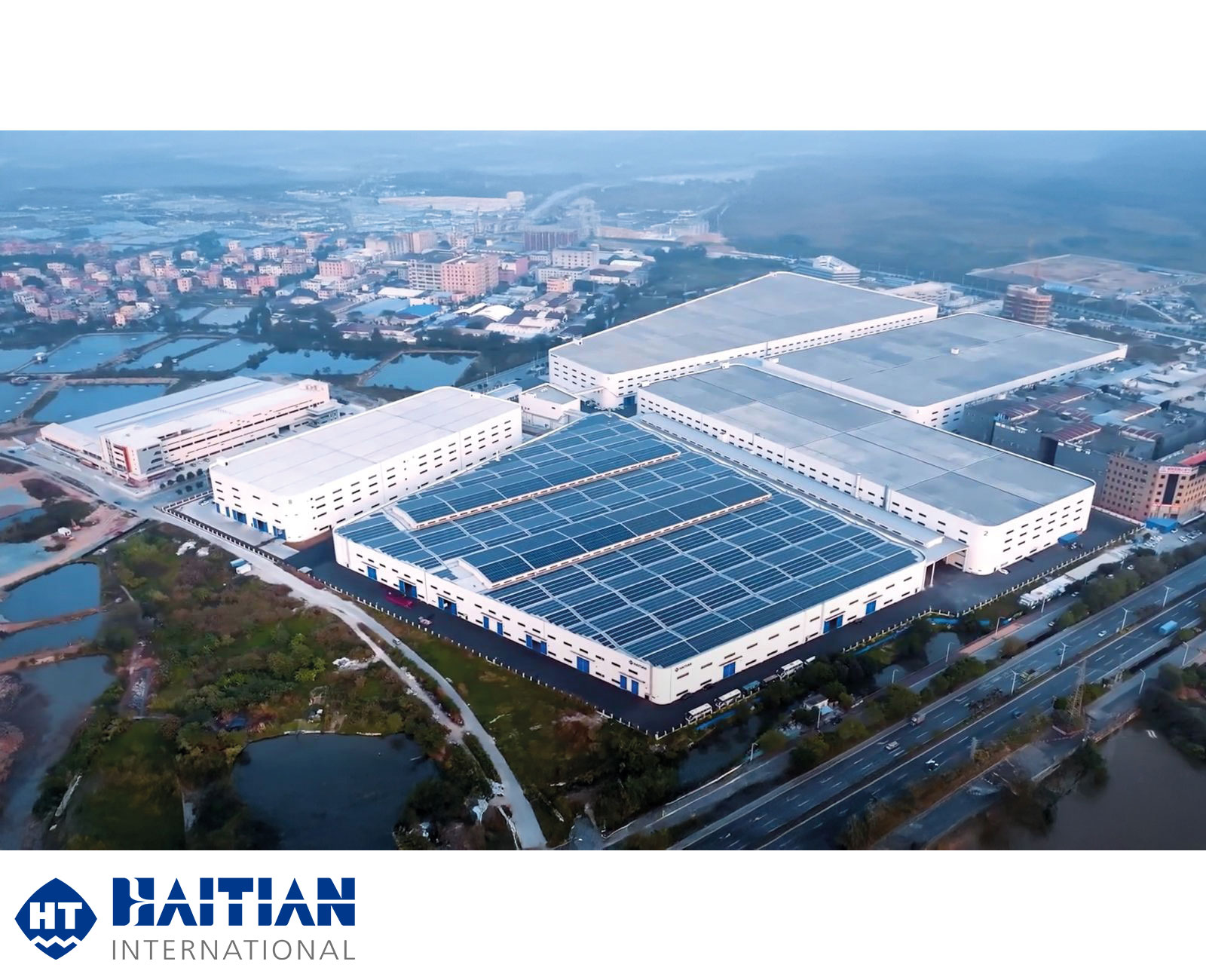
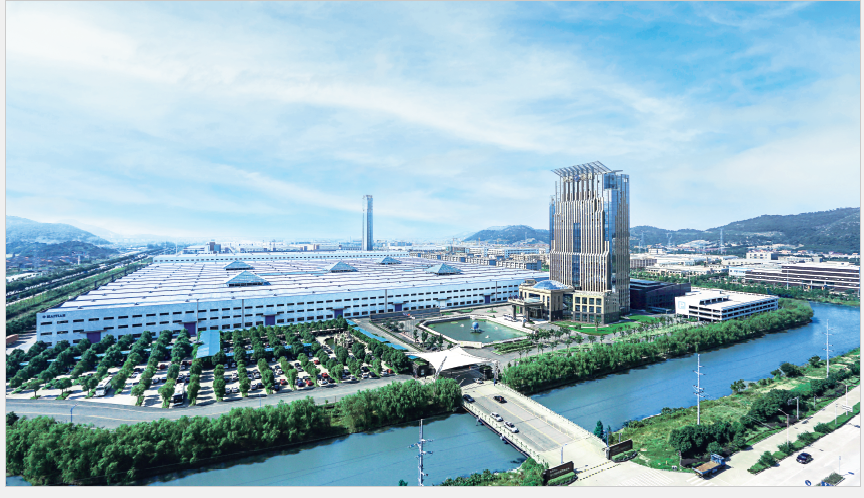
Haitian International Holdings Ltd. was founded in 1966 and operates a 1,437,000 m² factory with 8500+ employees, 56,000+ annual output, a 1500+ R&D team and a 40% export ratio serving markets worldwide. The group owns brands including Haitian Plastics Machinery, Zhafir Plastics Machinery and Niigata, and its product portfolio covers servo-hydraulic, all-electric, two-platen and intelligent injection molding equipment.
That scale matters for a packaging buyer because the machine decision is also a service decision. Packaging cells run at high cycle rates, so spare-parts access, local engineering support and preventive-maintenance planning affect uptime. The group states a global production, sales and service network serving customers in more than 130 countries and regions. Buyers should still confirm local response times and spare-parts coverage for their own market.
FAQ
For packaging, is high-speed electric always better than servo-hydraulic toggle?
No. High-speed electric is a better starting point when the packaging project is dedicated to caps, closures, thin-wall containers and high-volume automated cells, because ZE-F is positioned for that mission. Servo-hydraulic toggle is a better starting point when packaging runs alongside general-purpose parts, requires a broad 600–33,000 kN range or relies on hydraulic mold functions, because MA5 is positioned for that broader coverage. The final choice needs a same-mold comparison.
Which platform fits PP/PE/HDPE caps and closures?
ZE-F is positioned for PP/PE/HDPE caps, closures, thin-wall packaging and high-volume consumer packaging. That does not mean MA5 cannot mold caps or closures; it means the dedicated packaging comparison should begin with ZE-F and then test whether MA5’s broader range or hydraulic capability changes the business case. Compare cavity count, cycle time, part-weight consistency and kWh per 1,000 parts on the same mold.
When does the MA5 600–33,000 kN range matter?
It matters when the mold list spans small packaging parts and larger technical components, or when future packaging projects may require higher clamp force. A broad range can reduce the number of machine platforms in a mixed plant. It does not by itself improve packaging cycle time; the selected machine size must still be matched to the packaging mold and cell.
How should I compare energy between ZE-F and MA5?
Use measured kWh per 1,000 parts under the same mold, material and cycle target. Both platforms are positioned toward upper EUROMAP 60.1 efficiency classes, commonly class 8 or above and often 9–10 depending on configuration. The class label is a screening aid, not a substitute for a cell-level energy measurement that includes robots, conveyors, chillers and auxiliary equipment.
What automation checks matter for a packaging cell?
Confirm robot interface, conveyor and packaging handling, vision inspection, reject handling, MES connectivity, alarm history and data export. ZE-F is positioned for high-volume automated cells requiring fast electric movements with hydraulic mold functions. MA5 offers open automation/MES integration and flexible automation. For either platform, request a cell layout and acceptance sequence, not only a machine datasheet.
Can I compare ZE-F and MA5 on machine price alone?
No. Compare the full cell quote, including machine, tooling, auxiliaries, installation, training, spare parts and service. A project cost advantage of approximately 10–30% versus comparable established-brand solutions may be achievable depending on machine size, cavity count, automation and project scope, but that is project-specific and should not be treated as a fixed discount.
China injection molding machine manufacturers: servo-hydraulic or all-electric for automotive parts?
For automotive parts, there is no category-wide answer. Use the same evidence-based comparison: required clamping force, hydraulic core pulls, precision and repeatability, cycle time, automation and energy per part. In the Haitian International portfolio, MA5 is a servo-hydraulic toggle covering a 600–33,000 kN range and positioned for general-purpose and technical parts, while Zhafir electric platforms are positioned for precision and clean production. This article’s packaging comparison should not be transferred to automotive parts without mold and cycle data.
Conclusion
For packaging injection molding, the high-speed electric ZE-F and the servo-hydraulic toggle MA5 answer different buyer needs. ZE-F is the focused route for PP/PE/HDPE caps, closures, thin-wall packaging and high-volume automated cells that need fast electric movements plus integrated hydraulics for specific mold functions. MA5 is the broader route for packaging within a mixed plant, for a 600–33,000 kN clamping-force range, and for hydraulic mold functions and flexible automation.
The right decision is built on a same-mold trial, a full cell layout and a total project cost comparison. Use output per hour, part-weight consistency, kWh per 1,000 parts and automation acceptance as the evidence. Then choose the platform that fits the packaging project, not the platform with the more attractive label.
Next step: review the packaging mold, material, cavity count and automation plan with Haitian International, then request a same-mold comparison and a full cell quote for the ZE-F and MA5 options.
Have Questions or Need More Details?
Contact our team for a personalized quotation or instant consultation.
Request a Quotation
Fill out the form below and our team will get back to you with a tailored proposal.
WhatsApp Direct Chat
Prefer to chat in real-time? Message us on WhatsApp for instant assistance & quick answers.
- Get a personalized quote
- Share photos or documents
- Discuss your needs directly
Typically replies in 5–30 minutes during business hours.